





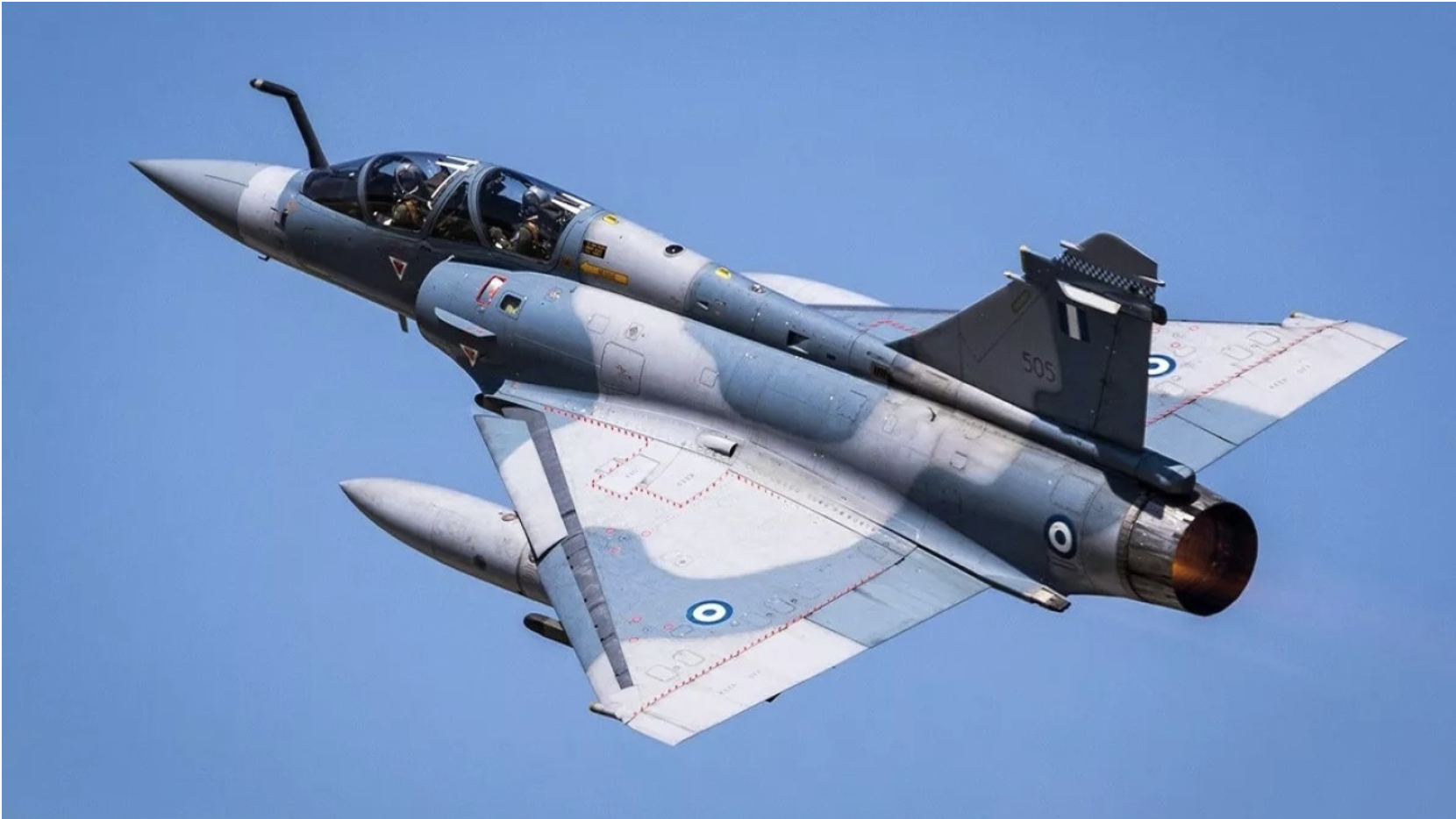
Negotiations are underway, according to a report by the French newspaper Le Parisien Matin, between Emmanuel Macron and the Greek government regarding the transfer of Greek Mirage 2000 fighter jets to Ukraine, as part of a broader exchange agreement involving French Rafale aircraft, ahead of the French president’s visit to Greece on Friday, April 24, and Saturday, April 25.
How the plan is analysed
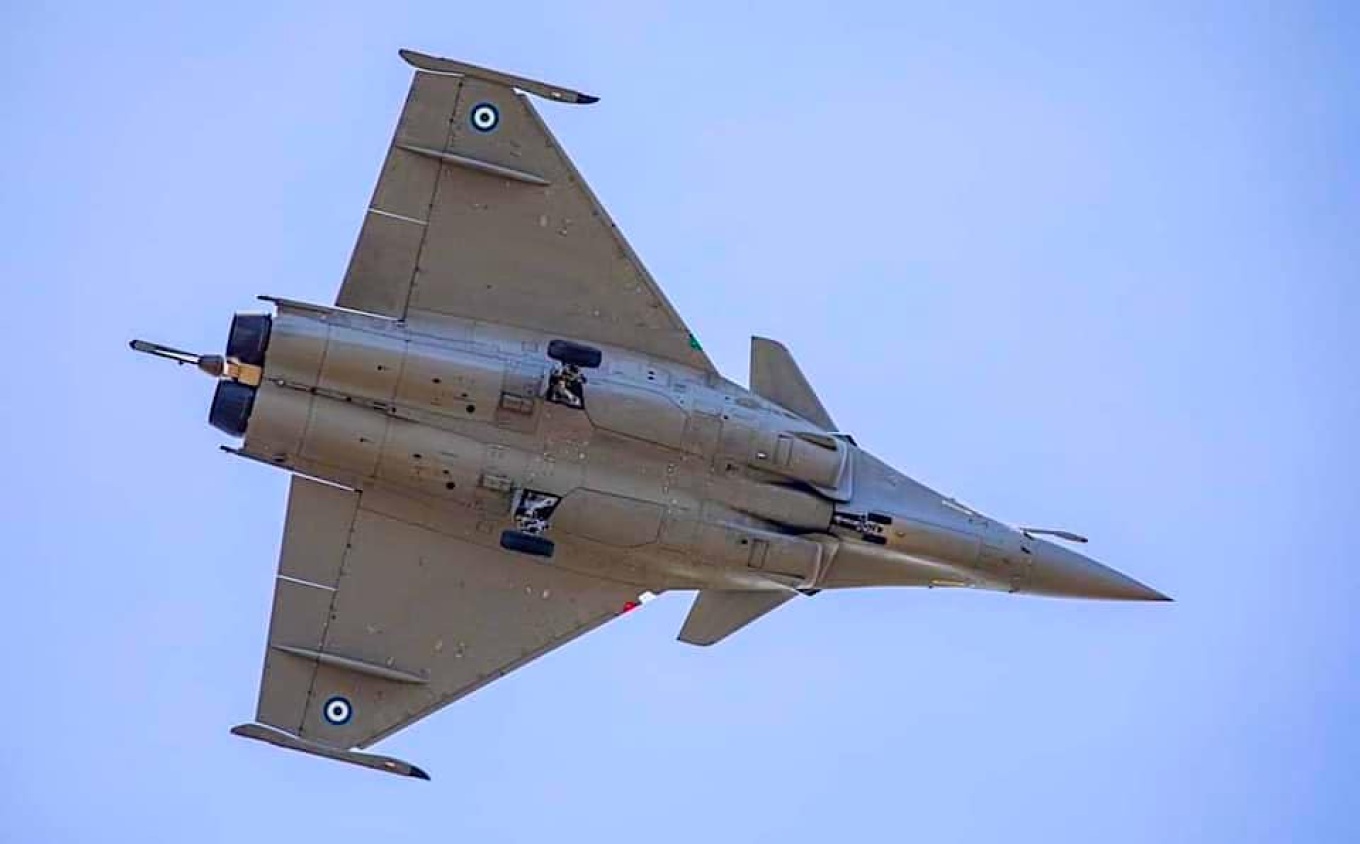
The plan described by the newspaper is based on a complex industrial and military mechanism, according to which France proposes purchasing the entirety of Greece’s Mirage 2000 fleet, in order for the aircraft to be transferred to the Eastern European front in Ukraine. In return, Greece would secure favourable terms for the procurement of next-generation Rafale fighter jets from Dassault, while also strengthening the modernisation of its Armed Forces within the framework of the “Agenda 2030” plan.
The fleet under consideration includes 24 Mirage 2000-5 Mk II, known for their interception capabilities, as well as 17 to 19 older Mirage EGM/BGM aircraft, which could be used as a source of spare parts. However, the success of the plan depends largely on Dassault’s ability to deliver the Rafale aircraft on time, at a moment when demand for the fighter is already particularly high.
The critical parameters for Athens
Beyond the technical aspect, political and geostrategic parameters remain crucial. Athens must weigh the possibility of creating a capability gap in its air defence, particularly regarding security in the Aegean, which is a core priority. At the same time, the planned end of technical support for the Mirage 2000-5 by Dassault in 2027 makes this option more realistic for the Greek side.
The French Ministry of Defence stresses that the initiative is part of a broader European strategy of resource coordination, aiming to create a coherent “fighter alliance”. The transfer of the Mirage jets is expected to significantly enhance Ukraine’s operational capabilities, as the aircraft can carry SCALP missiles and conduct effective aerial surveillance missions.
According to a military adviser to the French presidency, “this plan represents the most significant reinforcement of Ukrainian air power since the beginning of the war.” Integration logistics remain a challenge, but France has committed to providing full technical support to accompany the transfer of the Greek Mirages to Ukrainian territory.
The coming weeks are considered critical for finalising the financial terms of the agreement, with Emmanuel Macron expected to discuss the matter at the highest level and formally approve the terms of the contract during his meeting with Greek Prime Minister Kyriakos Mitsotakis in Athens. Athens is seeking guarantees that no operational gap will be created, while the possibility of additional equipment, such as advanced air-to-air missiles, is also being considered.
France could include batches of high-performance air-to-air missiles to ensure the immediate effectiveness of the transfer of Greek Mirage aircraft to Ukraine. Kyiv is now awaiting the final green light from the Greek authorities, hoping that this major reinforcement will allow it to protect its cities and vital infrastructure from Russian aerial threats that have weighed on the country for months. This issue will remain at the centre of European defence news until its completion, expected by the end of April.
This prospect takes on a broader European dimension, as it strengthens France’s strategic influence in the defence sector and reshapes the management of military equipment among allies. Furthermore, according to the report, for Europe this precedent weakens the taboo on large-scale transfers of heavy weapons and establishes a new model: the circular economy of arms.
Ask me anything
Explore related questions




