

×
GreekEnglish

×
  • Politics
  • Diaspora
  • World
  • Lifestyle
  • Travel
  • Culture
  • Sports
  • Cooking
Wednesday
24
Jun 2026
weather symbol
Athens 32°C
  • Home
  • Politics
  • Economy
  • World
  • Diaspora
  • Lifestyle
  • Travel
  • Culture
  • Sports
  • Mediterranean Cooking
  • Weather
Contact follow Protothema:
Powered by Cloudevo
> Culture

Nichoria: Acidic soil tampers with archaeology

Soil environment could have destroyed bones and other archaeological evidence at Nichoria

Newsroom January 9 12:50

Δείτε περισσότερα άρθρα μας στα αποτελέσματα αναζήτησης

Add Protothema.gr on Google

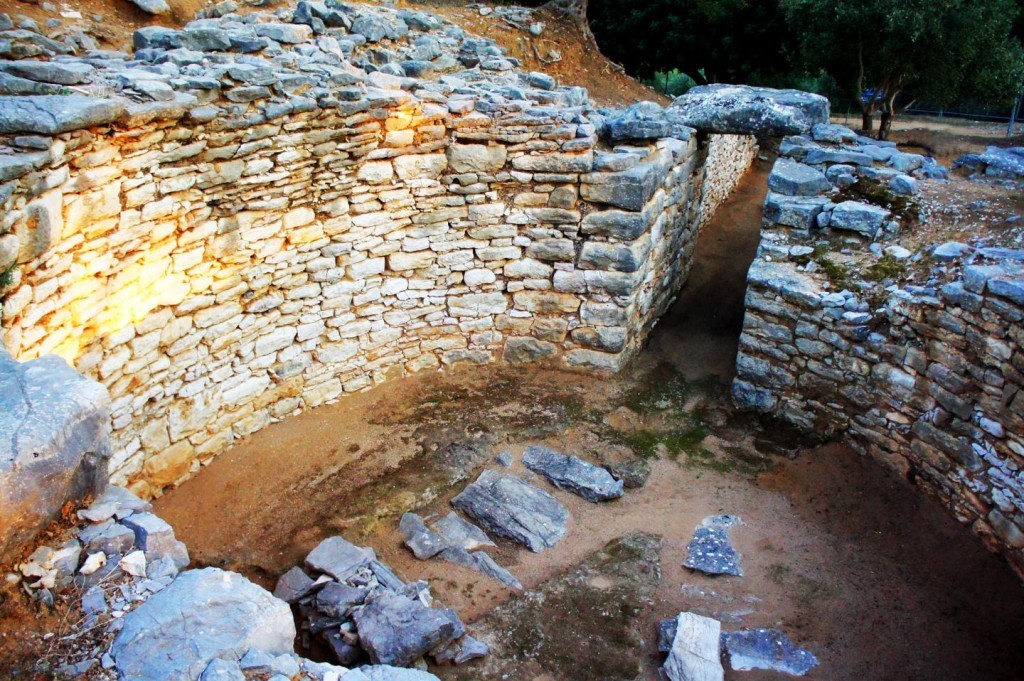
Scientists believed until now that the ancient Greek village of Nichoria that stood through both the Late Bronze Age and Greek Dark Age was involved in mainly the craft of cattle ranching with evidence of this coming through the soil. A new study, however, shows inaccuracies in the study of Greek settlements during the Dark Age due to acidic soil that may have resulted in crucial evidence being lost.

A presentation by researchers of the University of Cincinnati titled, “The Good, the Bad and the Ugly at the Dark Age Ranch: Taphonomic Reinterpretations of Pastoralism at Nichoria, Messinia,” states that soil development following the desertion of the site in the Dark Age led to inaccurate preservation of the historic record as large bones, such as those of cattle did not decompose like smaller fragments.

>Related articles

Theodoros Papagiannis: Sculptor’s exhibition inaugurated in Ermoupoli, Syros

Ancient Stadium of Epidaurus to host after-midnight performances for the first time

Fires, secrets and ancient rituals: the June 23 tradition of Klidonas and Ai-Yiannis

“We actually think that as more of these sites are abandoned in the Dark Age, the landscape becomes very stable, and the weather destroys more of what’s in the top upper layers than the archaeological material buried deeper below. At this site, we have no evidence that the destruction of bone was the result of climate change,” says doctoral student W. Flint Dibble of the University of Cincinnati.

The team is presenting its findings at the joint annual meeting of the Archaeological Institute of America and Society for Classical Studies in New Orleans on Friday.


Ask me anything

Explore related questions

> More Culture

Follow en.protothema.gr on Google News and be the first to know all the news

See all the latest News from Greece and the World, the moment they happen, at en.protothema.gr

> Latest Stories

THI Summer Youth Academy returns for third consecutive year

June 24, 2026

A committee of experts in Germany is recommending stricter rules for minors on social media

June 24, 2026

New transfer of 128 Syrian detainees to Damascus under an agreement

June 24, 2026

Theodoros Papagiannis: Sculptor’s exhibition inaugurated in Ermoupoli, Syros

June 24, 2026

Diploma from the Dairy School awarded to late Vangelis Giakoumakis, received by Margaritis Schinas

June 24, 2026

Gunfire breaks up celebration attended by 2,000 people in Crete

June 24, 2026

Israel stands firm despite U.S. pressure: “We are not leaving Lebanon,” says the defense minister

June 24, 2026

Politico: Trump’s Gaza Peace Council to meet in Cyprus to reassess strategy

June 24, 2026
All News

> Greece

In reverence, the emotional deposition in Jerusalem, see photos & video

The Holy Temple of the Resurrection opened after many days due to the war between Israel and Iran

April 10, 2026

In the final stretch for the accreditation of joint master’s degrees: Aiming for their launch in the coming academic year

April 10, 2026

Schedule for Epitaph Procession today (10/4)

April 10, 2026

Perfect weather for Easter excursions, according to Tsatrafyllia’s forecast

April 10, 2026

Easter in Greece: The customs that continue in Greek tradition – From Nafpaktos to Corfu

April 10, 2026
Homepage
PERSONAL DATA PROTECTION POLICY COOKIES POLICY TERM OF USE
Powered by Cloudevo
Copyright © 2026 Πρώτο Θέμα



