





When Mohamad Khweis fled his home in the United States in 2015 and headed to Islamic State territory in Syria and Iraq, he was “curious” about life in the group’s self-declared caliphate, he later recalled.
“I would see . . . people from all around the world leaving their countries and going to live in this state,” Khweis said when he testified last summer during his federal trial on terrorism charges. “It was kind of interesting.”
What he found did not live up to the hype. Khweis was tasked with running errands such as grocery shopping, taking out the trash at his Islamic State house and caring for wounded fighters. He eventually became “frustrated with waiting” for military training, according to an FBI special agent who testified during Khweis’s trial. He ended up fleeing and was captured in Iraq.
Khweis, who was found guilty of supporting terrorism and sentenced to 20 years in prison, was not alone in feeling disillusioned by what he encountered. Many of the Americans who traveled to Syria and Iraq to join the group wound up coming back because “life in jihadist-held territory did not live up to their expectations,” according to a new study from George Washington University’s Program on Extremism that provides a sweeping look at their experiences.
These Americans had seen “an idealized version of reality” in online propaganda they consumed, but that contrasted unfavorably with the harsh living conditions, infighting and menial assignments that greeted them, the report found. For Americans like Khweis — who later insisted he was not part of the group and only wanted to see the situation in Syria for himself — household chores could lead to their decisions to abandon the fight.
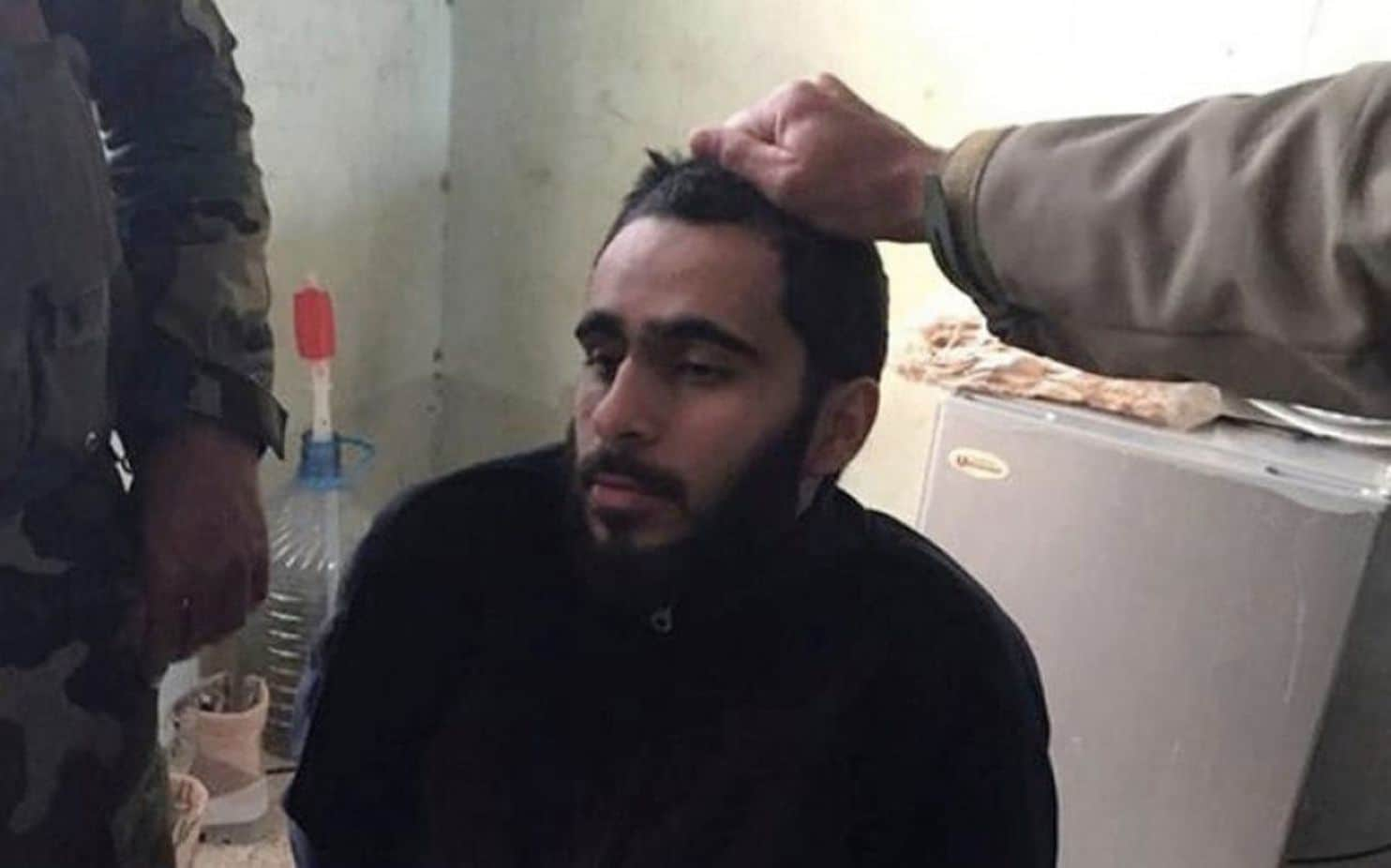
“Many of the Americans had little to no combat experience and were assigned duties such as cleaning safe houses, cooking, and caring for the sick and injured,” the report states. “This was hardly the glamorous experience they anticipated, and some sought a way back to the comforts of home.”
The Americans who went overseas tended to be male, with an average age of 27, according to the report. They were like thousands of others drawn by the Islamic State — also known as ISIS or ISIL — as the terrorist group seized territory in Syria and Iraq, creating its own society on the ground. The Islamic State’s physical territory has since dwindled following punishing military losses, but its online propaganda machine continues to churn out material as part of a “virtual caliphate” rallying its followers.
More than 150 Americans were arrested on Islamic State-related charges between 2011 and 2017, and about a third of them were people who sought to travel abroad but were stopped, according to the report, which notes that attempts to travel to Iraq or Syria have steadily fallen since 2015. Dozens of people in the United States already have been convicted on federal charges relating to the group. (Far more people left Europe to join the Islamic State — estimates range from 5,000 to 6,000, the report says — though that flow of volunteers also plummeted as the group lost territory.)
The report’s authors examined 64 people — described as “travelers” — who left the United States to join Islamist militant groups in Syria and Iraq since 2011, the year protests began against the Syrian regime. Most of them were associated with the Islamic State, either at the outset or joining up with the group as it expanded, according to the report. Just a handful — four — reached leadership positions in the Islamist militant groups they joined.
Most of the travelers were described as “networked,” meaning they had some connection with Islamist militant supporters in the United States or others traveling with them, according to the study, which is based on interviews with law enforcement officials, reviews of legal documents and interviews with some Americans who went to Islamic State territory and returned. Khweis was in the smaller category of “loners,” those who apparently traveled without any personal connections to the fight and still made it to Syria or Iraq.
Relatively few of the travelers returned to the United States, the study found. Just a dozen of them are known to have come back, and nine of them were arrested and faced terror charges. One of that dozen returned intending to carry out an attack, the report said, but was taken into custody early in the planning stages; he was sentenced last month to 22 years in prison. About one-third of the travelers examined in the report are believed to have died overseas.
The report states that returning travelers do pose a risk, because they can help with recruiting other Islamist militants or provide knowledge about travel or conducting attacks. While the Trump administration has repeatedly argued that stronger immigration restrictions are needed to keep terrorists out of the United States, the report notes that most of the 64 travelers were U.S. citizens or legal permanent residents.
“The traveler phenomenon, like the domestic terrorist threat, is primarily homegrown,” the authors wrote.
The report concludes that people who never left the United States pose a greater danger than those who went overseas and came back, noting that none of the terrorist attacks in the United States in recent years have been carried out by people who traveled to Syria or Iraq first. In high-profile case after high-profile case, U.S. officials have determined that attackers were radicalized in the United States after consuming online propaganda.
“The risk that ‘homegrown’ extremists will commit attacks on U.S. soil outweighs the risk of attacks from returning travelers,” the authors wrote.
Source: washingtonpost
Ask me anything
Explore related questions




