





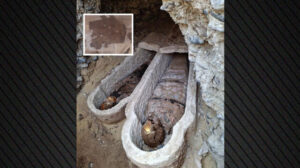
Archaeologists discovered a copy of Homer’s Iliad on papyrus inside the stomach of a mummy in Al-Bahnasa, Egypt. This is the first time a Greek literary text has been found incorporated into the preservation process. This particular archaeological discovery has major implications for burial practices and religious life in ancient Egypt.
According to information from The Independent, the papyrus fragment was discovered in the abdomen of a mummy that had been buried during the Roman period in Oxyrhynchus about 1,600 years ago. Oxyrhynchus, known in the time of the Pharaohs as Per-Medjed, was one of the most important cities of Greco-Roman Egypt. Its ruins are located in the modern town of Al-Bahnasa, about 190 km south of Cairo, next to a branch of the Nile known as Bahr Yussef.
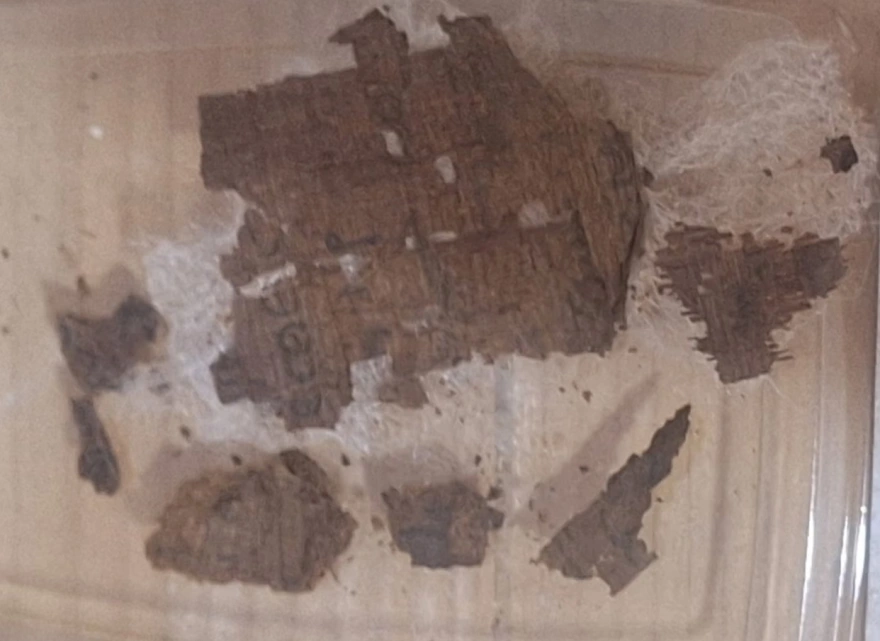
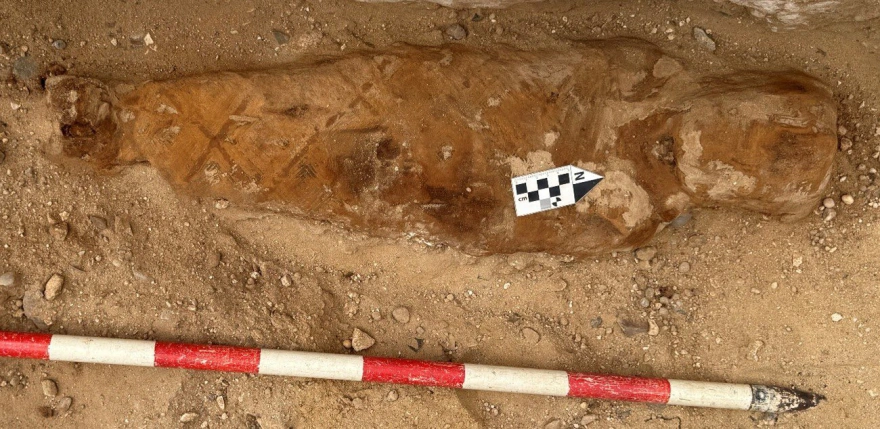
Researchers from the Institute for the Study of the Ancient Near East at the University of Barcelona discovered the mummy during an excavation carried out between November and December 2025. However, they found that the mummy had an unusual feature: a papyrus had been placed in its abdomen as part of the embalming ritual.
In the past, Egyptian mummies from that period have been discovered bearing papyri written in Greek, but all contained texts of a magical or ritual nature. “This is not the first time we have found Greek papyri, folded, sealed, and incorporated into the mummification process, but until now their content was mainly magical,” said Ignasi-Xavier Adiego, professor in the Department of Classical, Romance, and Semitic Languages.
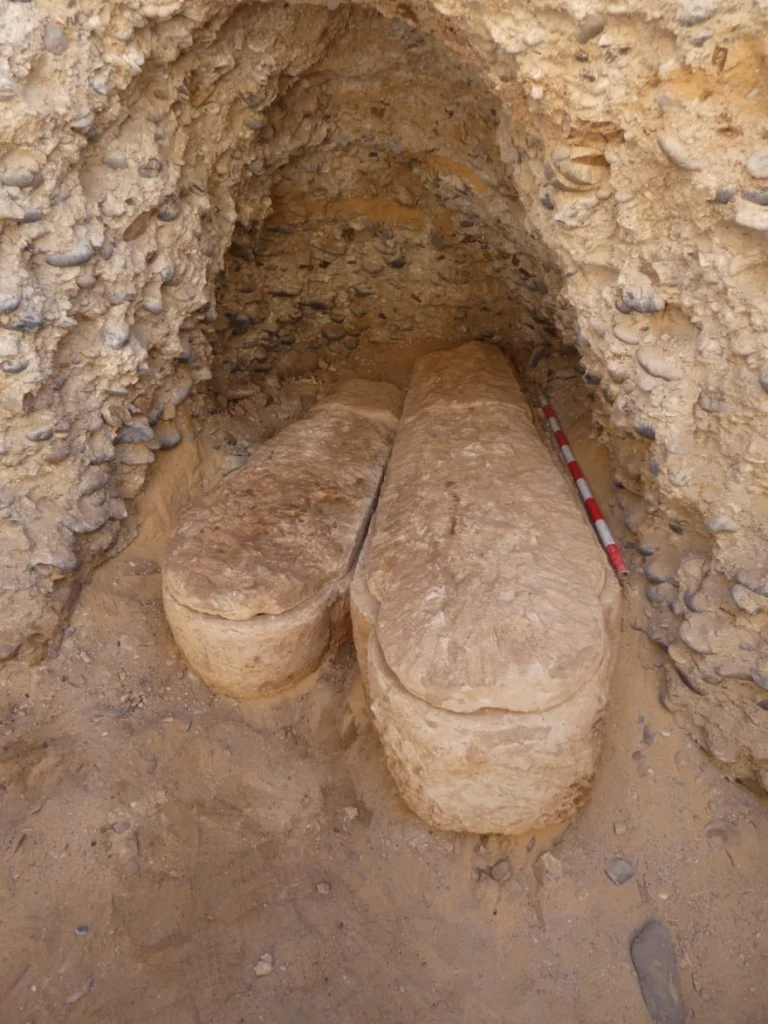
“Moreover, it is worth noting that since the late 19th century, a vast number of papyri have been discovered in Oxyrhynchus, including Greek literary texts of great importance. However, the real innovation is finding a literary papyrus in a funerary context,” the professor pointed out.
First time a Greek literary text is found in an embalming context
The discovery of the Iliad papyrus marks the first time that a Greek literary text has been found in an embalming context, researchers note. According to them, the portion of the Iliad identified in the recent excavation includes part of the “Catalogue of Ships,” a famous passage listing the Greek forces assembled before Troy.
Researchers said they are not certain why this specific Greek text was chosen for the mummification process.
Mummification during the Roman period in Oxyrhynchus
Mummification during the Roman period in Oxyrhynchus combined traditional Egyptian, Greek, and Roman customs. Ancient Egyptian priests of the time focused on preserving bodies for over 40 days, using natron to dehydrate them and wrapping them in linen.
Instead of using traditional canopic jars to preserve organs, they preferred to fill the body with preservative materials along with papyri containing Greek literature, sealed with clay inside the chest or pelvic cavity. Coffins and wrappings often displayed a mixture of Egyptian and Roman motifs.
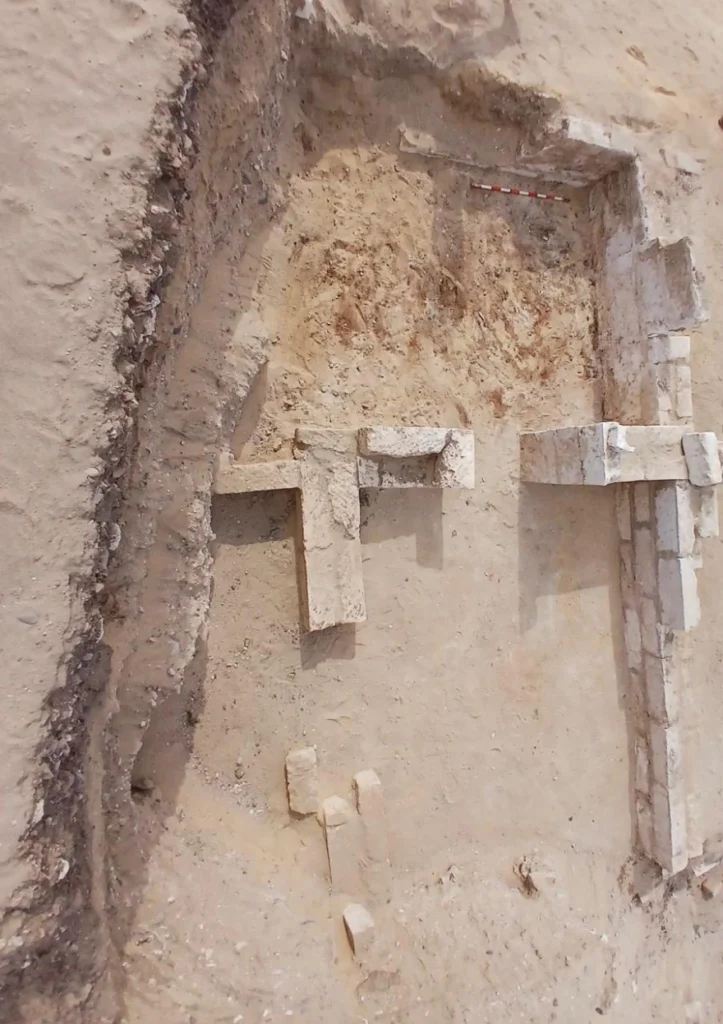
So far, excavations in Oxyrhynchus have revealed three limestone chambers containing Roman-era mummies and decorated wooden sarcophagi. Previous excavations in the ancient city led to the discovery of 52 mummies from the Ptolemaic period, more than a dozen of which had “golden tongues,” a symbol of preparation for the afterlife.
Ask me anything
Explore related questions




