





There is no sign whatsoever of de-escalation in the hostilities between the United States and Iran after a week of continuing exchanges of strikes, with both sides effectively tearing up the memorandum of understanding they signed in June and enforcing a blockade of the Strait of Hormuz and Iranian ports in the Gulf.
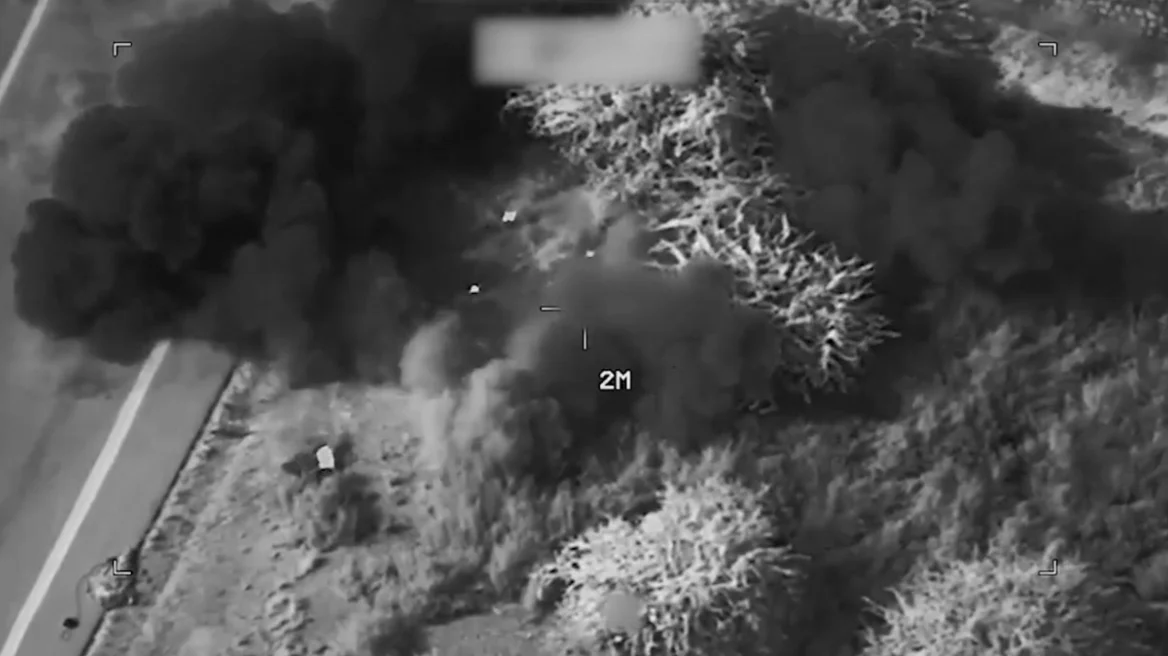
The United States launched two waves of air strikes on Iran’s coastline and “neutralised” an empty oil tanker after it attempted to breach the blockade, a day after it was reimposed.
Meanwhile, in the early hours of the morning, Iranian media reported that Tehran’s air defence system had been activated for the first time since hostilities resumed. Explosions were also reported in northern and western Iran, although no casualties had been reported at the time of writing.
Iran, for its part, having announced over the weekend that it was once again closing the Strait of Hormuz, made it clear that the strategically vital waterway would remain closed until US “attacks” come to an end.
It also continued targeting US military bases and installations in Middle Eastern monarchies, further undermining diplomatic efforts to bring about a lasting end to the war, which broke out on 28 February with US-Israeli air strikes against Iran.
More specifically, the Iranian armed forces announced today that they had carried out drone attacks against US bases and military installations in Kuwait and Bahrain. Iranian state television reported that the targets included “radar systems, a Patriot air defence system and fuel storage facilities” at Ali Al Salem Air Base in Kuwait, as well as US military facilities at Sheikh Isa Air Base in Bahrain. Shortly beforehand, the Iranian armed forces had announced that they had also targeted US military installations in Jordan.
Despite this, US President Donald Trump announced yesterday that an American citizen who had been “wrongfully detained”, according to him, by Iran since 2024 had been released, welcoming what he described on Truth Social as a “gesture of goodwill” by Tehran.
Human rights lawyer Jared Genser said the individual who had been allowed to leave was his “client”, Dena Karari, a dual US-Iranian national who had been “trapped” in Iran because of what he described as fabricated charges of “cooperation with a hostile state and espionage”.
Tanker “neutralised”
Hostilities resumed on 7 July following attacks on commercial vessels in the Gulf that were attributed to Iran. The ensuing bombardments have been the most extensive since the ceasefire declared in April. Until now, however, Tehran itself had not been targeted, nor had oil and gas production facilities in the Gulf.
The exchange of strikes is tearing apart the “Islamabad Memorandum of Understanding”, the preliminary agreement signed in mid-June that was supposedly intended to pave the way for a permanent end to the war.
Any memorandum of understanding “is meaningless unless its terms are ratified and implemented; if Iran gains no benefit (…) then we have no reason whatsoever to comply with it,” Iran’s chief negotiator, Mohammad Bagher Ghalibaf, stressed yesterday.
The city of Bushehr in southern Iran, home to a port and the country’s only operational nuclear power plant, was targeted by Washington’s forces yesterday, along with the outskirts of Iranshahr in the southeast. According to the Iranian military, seven of its personnel were killed. It reported thirteen US missile strikes.
“The strikes have further reduced Iran’s ability to attack commercial vessels in the Strait of Hormuz,” the US military said. Later in the day, it announced the start of a new wave of bombardments with the same objective.
Explosions were heard in several Iranian cities, including Bandar Abbas in the south, Rask and Chabahar in the southeast, as well as on Qeshm Island, according to state media.
According to those reports, a hospital in Ahvaz, in southwestern Iran, was forced to evacuate patients and medical staff urgently because of US air strikes in the area. They were transferred to other healthcare facilities.
As part of the blockade of Iranian ports, which was reimposed the previous day, a US fighter aircraft opened fire on an empty oil tanker attempting to breach it. The vessel, identified as the M/T Belma and sailing under the flag of Curaçao, was “neutralised”, the US military said.
Air raid sirens
More than thirty civilians have been killed since hostilities resumed, according to the latest official toll released by the Iranian authorities.
“The children are so terrified by the explosions that they only fall asleep in the morning,” Hadizah told AFP by telephone. “The consequences of the war will remain with us for a long time, in our lives, in our minds and in our mental health,” added the woman, who lives in Iran’s southeastern province of Sistan and Baluchestan.
“We’re not living, we’re surviving. May God bring an end to the war and then to our economic hardship,” prayed Nadine, a 27-year-old teacher living in the same province.
Last night, AFP journalists heard explosions near the consulate in Erbil, in Iraq’s autonomous Kurdistan Region, after the overflight of attack drones triggered the activation of air defence systems.
In Kuwait, which had already come under attack earlier in the day, the military announced overnight that it was responding to Iranian drone attacks. Air raid sirens were also activated in Bahrain.
In the Strait of Hormuz, the passage through the territorial waters of Iran and Oman that normally carries one-fifth of the world’s oil and liquefied natural gas (LNG) consumption, traffic has fallen dramatically following attacks on oil tankers. According to maritime intelligence company Kpler, just thirteen commercial vessels transited the strait on Tuesday.
Oil prices appeared to stabilise yesterday after surging again at the start of the week. Brent crude was trading at around $85 per barrel.
By reimposing the blockade of Iranian ports in the Gulf, President Trump aims to increase pressure on Tehran, which intends to retain control of the strait and is allowing commercial vessels to use only a single shipping route running along the Iranian coastline.
Ask me anything
Explore related questions




