





The historic farewell ceremony for Ali Khamenei has begun in Tehran, with millions of Iranians filling the streets of the capital to pay tribute to the Supreme Leader who shaped the course of the Islamic Republic for 36 years.
The six-day mourning ceremonies have taken on the character of a nationwide mobilisation, as Tehran seeks to send a message of unity and resilience following the war that erupted in the wake of the US-Israeli strikes on Iranian territory, in which senior political and military figures were killed.
It is recalled that Khamenei’s funeral had originally been scheduled for March but was postponed because of the war.
According to estimates reported by Iranian sources, attendance at the memorial events could reach as many as 15 million people, making the ceremony one of the largest public gatherings in the country’s modern history.
In 1989, according to official figures, around 10 million people attended the funeral of his predecessor and the founder of the Islamic Republic, Ayatollah Ruhollah Khomeini.
Tehran’s Streets Filled with Mourners
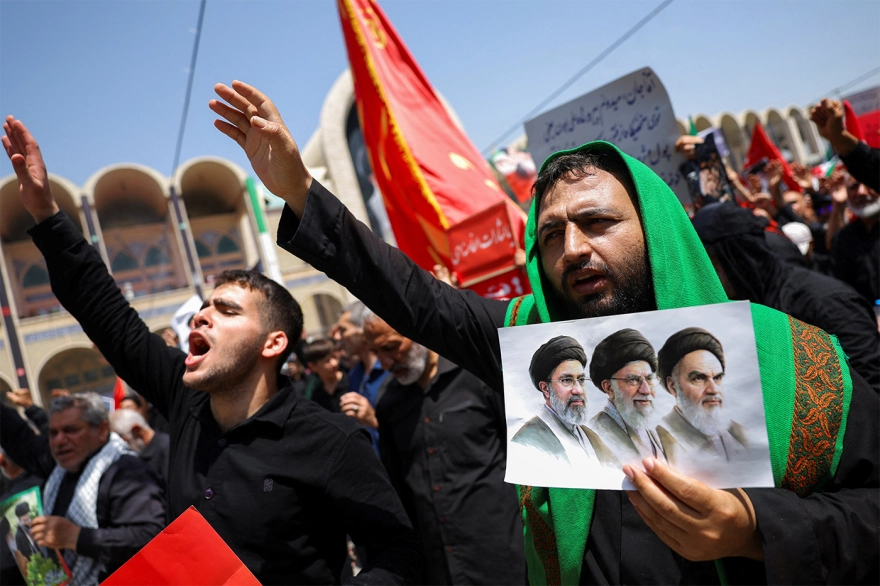
From early morning, Tehran’s main avenues have been packed with crowds of citizens, flags and religious symbols, while the authorities have implemented extensive security measures to manage the huge turnout.
The ceremony carries strong political and symbolic significance, with Iran’s leadership seeking to send a message of resilience and continuity to the international community following the conflict with the United States and Israel.
The central message from Tehran in recent days has been that the country will continue on its course despite mounting pressure.
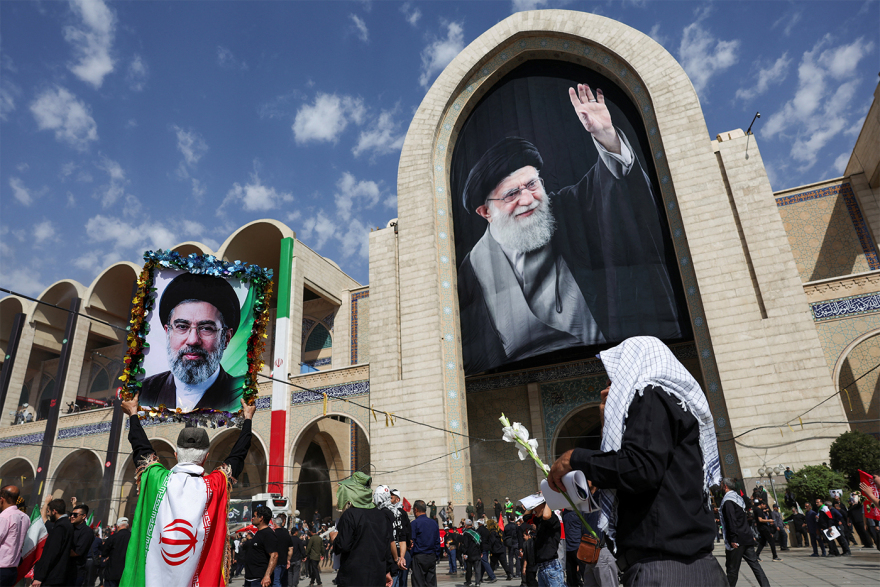
The commander of the Islamic Revolutionary Guard Corps, General Ahmad Vahidi, declared that Iran “will never surrender”, describing Khamenei as a historic figure for the Islamic Republic.
Khamenei’s body has been placed in state at the Grand Mosalla Mosque, where thousands of people had gathered even before the official ceremonies began.
Global Attention Focuses on Iran’s Post-Khamenei Era
The ceremony comes at a particularly critical moment as Iran enters the post-Khamenei era, with attention turning to the country’s emerging balance of power. At the same time, the absence of his son and presumed successor, Mojtaba Khamenei, from public appearances has fuelled speculation about developments within the country.
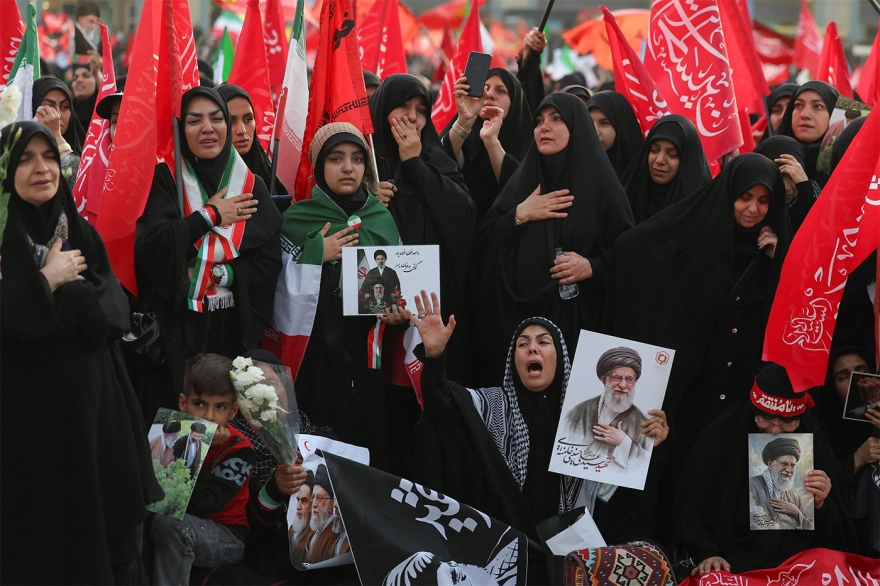
According to international media reports, the vast procession through the streets of Tehran is intended to project an image of national unity, with Iran’s leadership seeking to demonstrate that, despite its losses and the challenges it faces, the country remains united.
The ceremony coincides with the holy month of Muharram for Shia Muslims, further reinforcing the religious and historical symbolism of the farewell.
Ask me anything
Explore related questions




